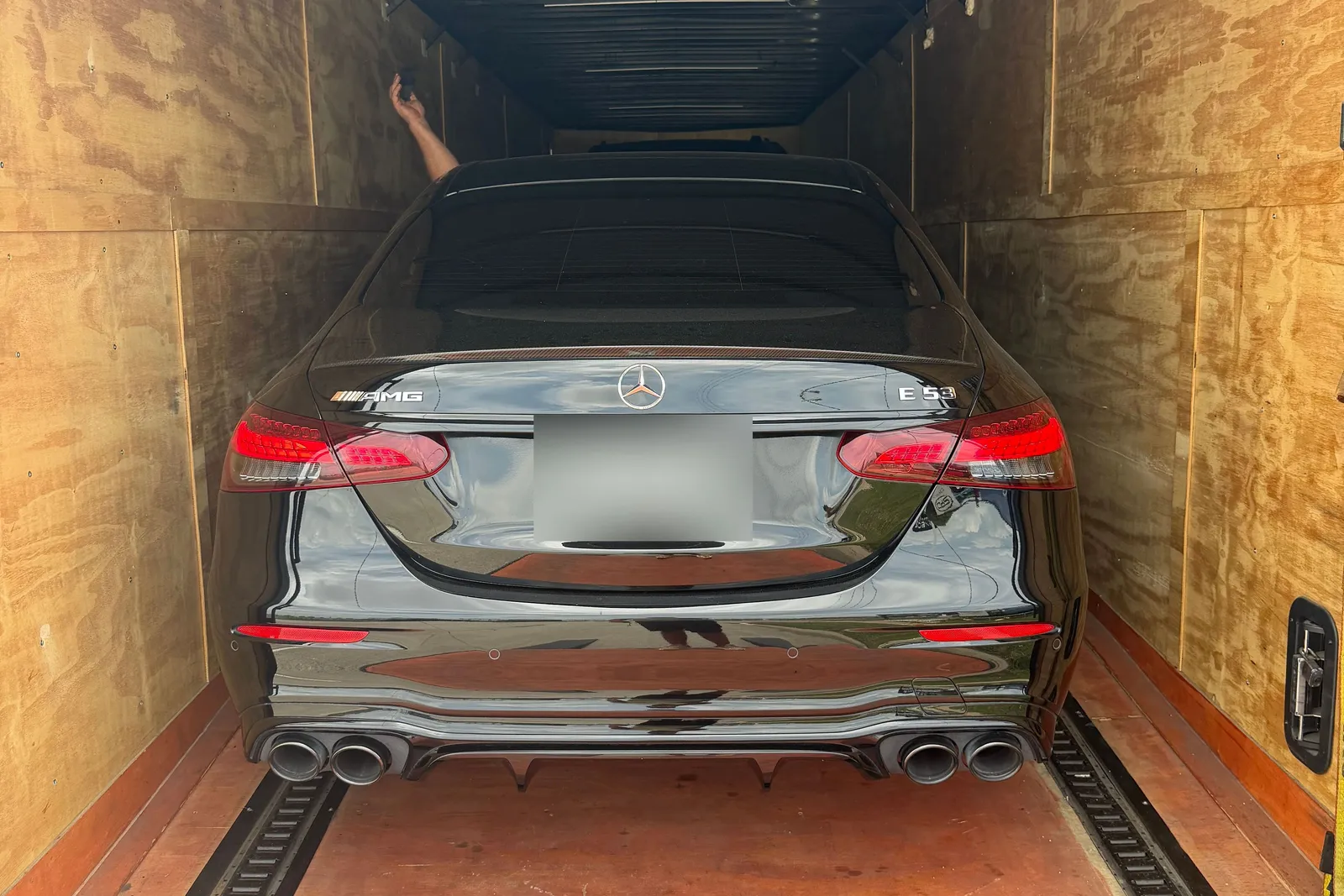
An auto transport request rarely says which trailer it needs. It says what the vehicle is, where it is, where it's going and when. Matching that to the right equipment before you quote saves a second phone call and a re-quote.
Open carrier
Multi-car open trailers are the usual choice for running vehicles on longer routes. They're what most shippers expect when they don't ask for anything specific.
Worth confirming on the call:
- Whether the vehicle runs and steers. A non-running vehicle needs a winch, and not every open carrier has one.
- Any ground-clearance issues: lowered cars, long front ends, aftermarket body kits.
- Pickup access. A full-length car hauler may not fit a residential street or a tight dealer lot.
Enclosed trailer
Shippers ask for enclosed transport for vehicles they want protected from road debris and weather, such as classic, exotic or high-value cars, or a vehicle on its way to a show.
If the request says "enclosed", ask whether it's a preference or a requirement. The answer changes what you can offer and how you price it.
Running or not
The same question matters on both trailer types. If the shipper isn't sure whether the vehicle runs, treat it as unconfirmed and ask before you commit equipment.
What to look for in the lead
A LeadSignal auto lead records what the shipper told us: the vehicle, whether it runs, the trailer type they asked for (if any) and their timing. Anything they couldn't confirm is marked unconfirmed. Contact details are passed on as submitted, not verified.
That's enough to plan a first call, but confirm on the phone before you commit a truck.